

Supporting Neurodivergent Children with Big Emotions Through Art Therapy
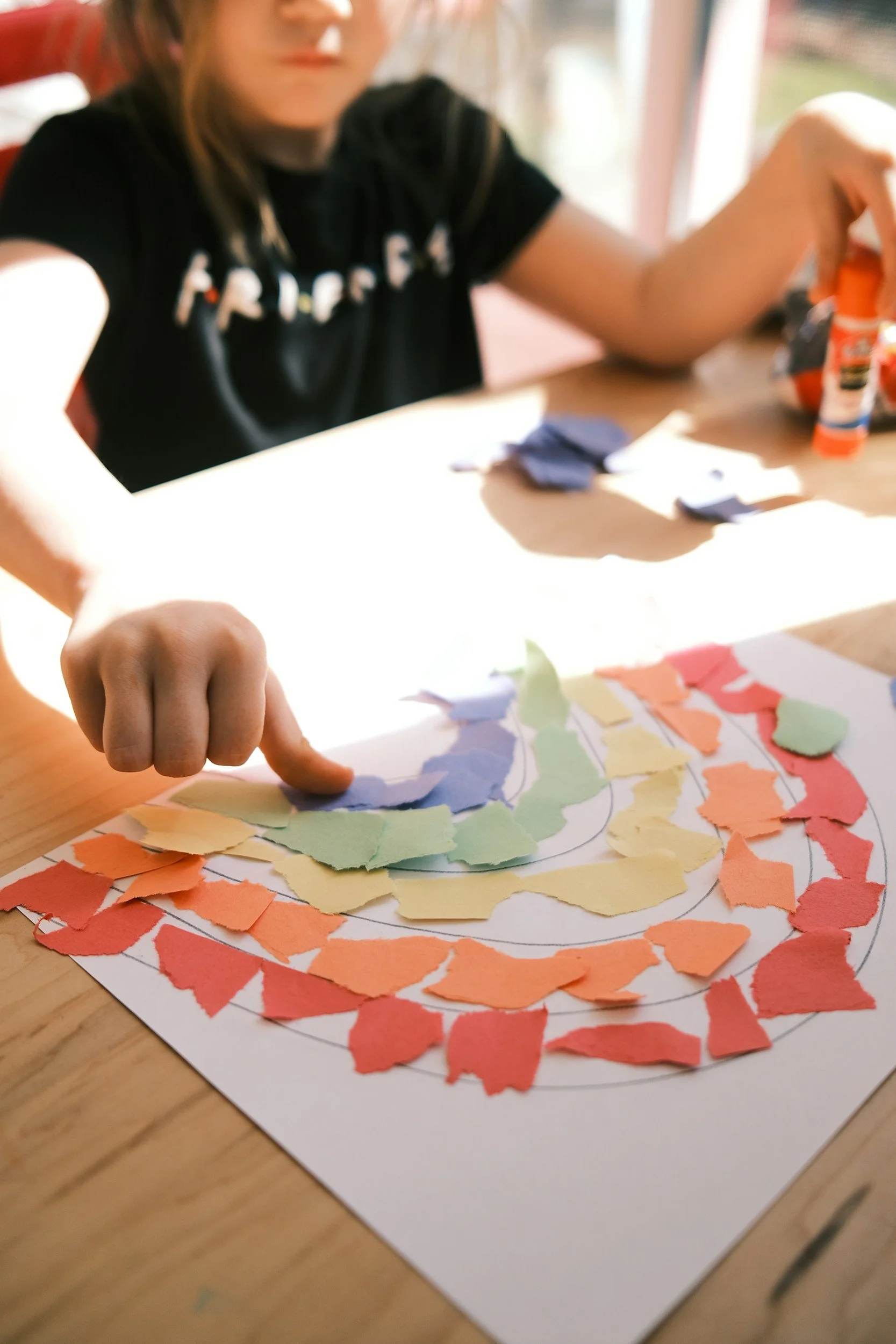
Children frequently navigate big emotions; after all, they are growing a brain and might not have grown the part that is in charge of emotional regulation yet. This is the same for neurotypical and neurodivergent kids. It’s essential to approach each child’s experiences with empathy, patience, and respect for their unique perspective. For Autistic kids, there are a few considerations – traditional methods of verbal communication around emotions may feel challenging, overwhelming or flat-out incomprehensible. Art therapy, however, offers a creative and non-verbal medium for children to express their feelings on their own terms. Here, we’ll share a few approaches that can support autistic children.
An art therapy approach to supporting children doesn’t seek to “correct” or pathologise their emotional experiences. Instead, it creates space for self-expression, embraces neurodiversity, and respects the individuality of each child. Art therapy can be a meaningful, supportive tool, to help children manage intense feelings, develop self-regulation skills, and feel more at ease with the vast spectrum of emotions they experience.
Understanding “Big Emotions”
Children can feel emotions with greater intensity or struggle to express those feelings verbally. Big emotions, such as frustration, excitement, or anxiety, may surface suddenly and dramatically and seem as if ‘out of the blue’ or build gradually and then be present for hours. These experiences are natural expressions of kid’s unique inner worlds rather than indicators of something to be “fixed.”
Instead of framing these emotional expressions as problematic, it’s helpful to view them as vital components of each child’s experience. This perspective encourages respect for each child’s sensory and emotional experience and a commitment to supporting them through safe and adaptive techniques like art therapy.
Art Therapy as a Safe Space for Emotional Expression
Art therapy provides a sensory-rich, nonverbal form of communication, which is often well-suited to Neurodivergent children. In art therapy sessions, children are invited to express themselves through colors, shapes, textures, and forms. They’re free to create without judgment, allowing them to explore emotions they may not have the words to express.
Here’s how art therapy can benefit Autistic children experiencing big emotions:
Non-verbal Communication: Art offers a way to express thoughts and feelings without the need for words, which can be freeing for children who may feel restricted by verbal communication.
Sensory Engagement: Through materials like clay, paint, or collage, children engage in sensory experiences that can be both grounding and expressive.
Emotional Processing: Creating art allows children to process feelings like anger, joy, or sadness in a non-threatening way. The art becomes a container for their emotions, giving them space to work through their feelings safely.
To Experience and Tolerate Distress: Sometimes kids do become frustrated in art therapy if they cannot replicate an idea perfectly – this creates a safe opportunity to be supported by a skilled therapist to work through this distress and learn how to channel it.
Building Emotional Regulation Skills Through Creative Exploration
Art therapy is particularly beneficial in helping Autistic children build emotional regulation skills. Emotional regulation involves understanding and managing big emotions, and art allows children to do this in an embodied way that makes sense to them.
Some ways art therapy can help with emotional regulation include:
Identifying Emotions Through Colors and Shapes: Autistic children can benefit from using colors and shapes to represent their feelings. For example, they might choose bold colors or sharp lines for strong feelings and softer colors for calmer states. This non-verbal approach can help children recognise and differentiate between emotions in a way that feels intuitive to them. It also becomes possible to build an understanding of how and where these emotions ‘show up’ in a child’s body.
Creating Calming Rituals: Repetitive art-making activities, such as doodling, painting, or rolling clay, can provide a soothing effect. These repetitive motions can serve as grounding rituals, helping children settle emotional intensity.
Building Predictable Patterns: Art therapy can introduce predictable, structured activities that help children feel safe and grounded. For example, starting and ending sessions with specific materials or projects creates routine, which many Neurodivergent children find comforting.
Empowering Autistic Children to Embrace Their Unique Expressions
A non-pathologizing approach to art therapy sees every child as a unique individual, each with their own way of processing and understanding the world. Rather than attempting to “normalize” a child’s experience, this approach values each child’s way of expressing and processing emotions. Art therapists work collaboratively, offering suggestions and encouragement that align with each child’s natural preferences and abilities.
Practical Tips for Parents and Caregivers
Parents and caregivers, can integrate aspects of creativity learned in art therapy sessions into daily life – which can be incredibly helpful:
Create an Art Space: Dedicate a small area in your home to art supplies where children can freely express themselves.
Use Visual Choices for Emotional Expression: Offer children options to choose colors, shapes, or textures that resonate with their feelings.
Normalize the Experience of Big Emotions: Remind children that emotions are a natural part of life, and creating art can be a safe way to explore those feelings.
Embracing Neurodiversity in Emotional Support
Supporting Autistic children with big emotions through art therapy is about celebrating diversity and honoring each child’s unique approach to the world. By using art as a therapeutic tool, we create an accepting and empowering environment where children can feel safe to express, process, and ultimately embrace their feelings.
This approach builds resilience, confidence, and self-awareness, allowing each child to thrive as they are.
If you’re interested in learning more about how art therapy can help your child navigate big emotions, our team at AkindaCo offers in-clinic and in-home and school art therapy services.